Toyota Yaris Hybrid 2024 review
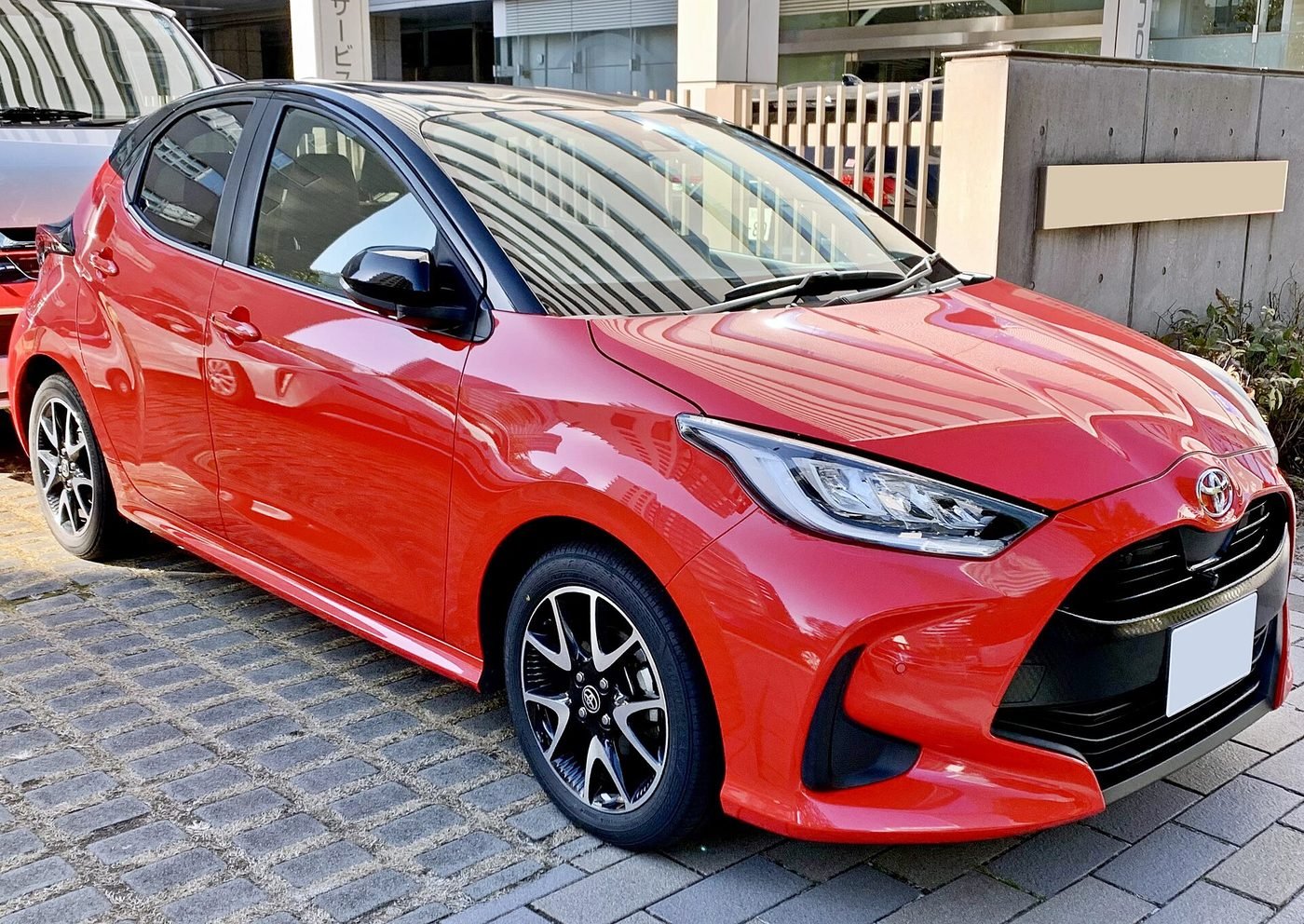
Photo: Benespit (CC BY-SA 4.0), via Wikimedia Commons
Overview
The Yaris Hybrid's party trick is town driving: What Car?'s independent True MPG test recorded nearly 60 mpg overall and an astonishing 80 mpg around town, so a commuter doing short urban trips will see far better figures than a motorway driver — above 70 mph the hybrid advantage fades and it becomes an ordinary small petrol car. That is also why the tiny 36-litre tank still gives a long range. Reliability is the other reason to buy one: Toyota's hybrid system has no clutch to wear out, and servicing at a main dealer can extend cover to 10 years or 100,000 miles under Toyota Relax. The trade-off is space — the 286-litre boot holds four carry-on suitcases at most, and tall adults will find the rear seats cramped.
The Toyota Yaris Hybrid is the small car that sips fuel like nothing else. Its 1.5-litre self-charging hybrid delivers diesel-beating economy around town, Toyota's legendary reliability, and a 10-year warranty when serviced at a main dealer.
Related reviews: Honda Jazz 2024 review · Suzuki Swift 2024 review · Ford Fiesta 2023 review
Also consider the Ford Fiesta 2023 — the Yaris's long-standing supermini rival, reviewed in full on DrivePedia.
UK price from: £22,995
Specifications
| Engine | 1.5L hybrid petrol |
| Power | 116 hp (system) |
| 0-62 mph | 9.7 seconds |
| Transmission | e-CVT automatic |
| Fuel type | Hybrid (self-charging) |
| Fuel economy | 64.2 mpg (combined) |
| CO2 emissions | 100 g/km |
| Seats | 5 |
| Boot space | 286 litres |
| Warranty | Up to 10 years / 100k miles |
| Torque | 120 Nm (engine; 89 lb-ft) |
| Top speed | 109 mph |
| Kerb weight | 1,085–1,090 kg (trim-dependent; Design 1,085 kg, Excel/GR Sport 1,090 kg) |
| Euro NCAP | 5 stars (adult 86%, child 81%, pedestrian 78%, safety assist 85%) |
Features
- 1.5L self-charging hybrid (116 hp)
- Toyota Safety Sense 3
- 8-inch Toyota Smart Connect multimedia
- Apple CarPlay & Android Auto (wireless)
- Adaptive cruise control
- Reversing camera
- LED headlights
- 15-inch alloy wheels
Common parts & prices
| Part | Price (GBP) | Notes |
|---|---|---|
| Front brake pads (set) | £55 | |
| Oil filter | £14 | |
| Hybrid battery cooling filter | £28 | Clean every service |
| Cabin filter | £20 | |
| 12V auxiliary battery | £110 | |
| Front wiper blades (pair) | £24 |
Pros
- Outstanding fuel economy (60+ mpg easy)
- Legendary Toyota reliability
- Low Benefit-in-Kind for company car drivers
- 10-year warranty available
Cons
- CVT can drone under hard acceleration
- Boot smaller than Fiesta's
- Rear space tight for tall adults
- Higher list price than non-hybrid rivals
Frequently asked questions
Does the Yaris Hybrid need plugging in?
How long does the hybrid battery last?
What mpg does the Yaris Hybrid really do?
Is the Yaris Hybrid good on the motorway?
How much does the Yaris Hybrid cost to run each year?
Does the Yaris Hybrid have a spare wheel?
Owner reviews
Write your review
Related cars
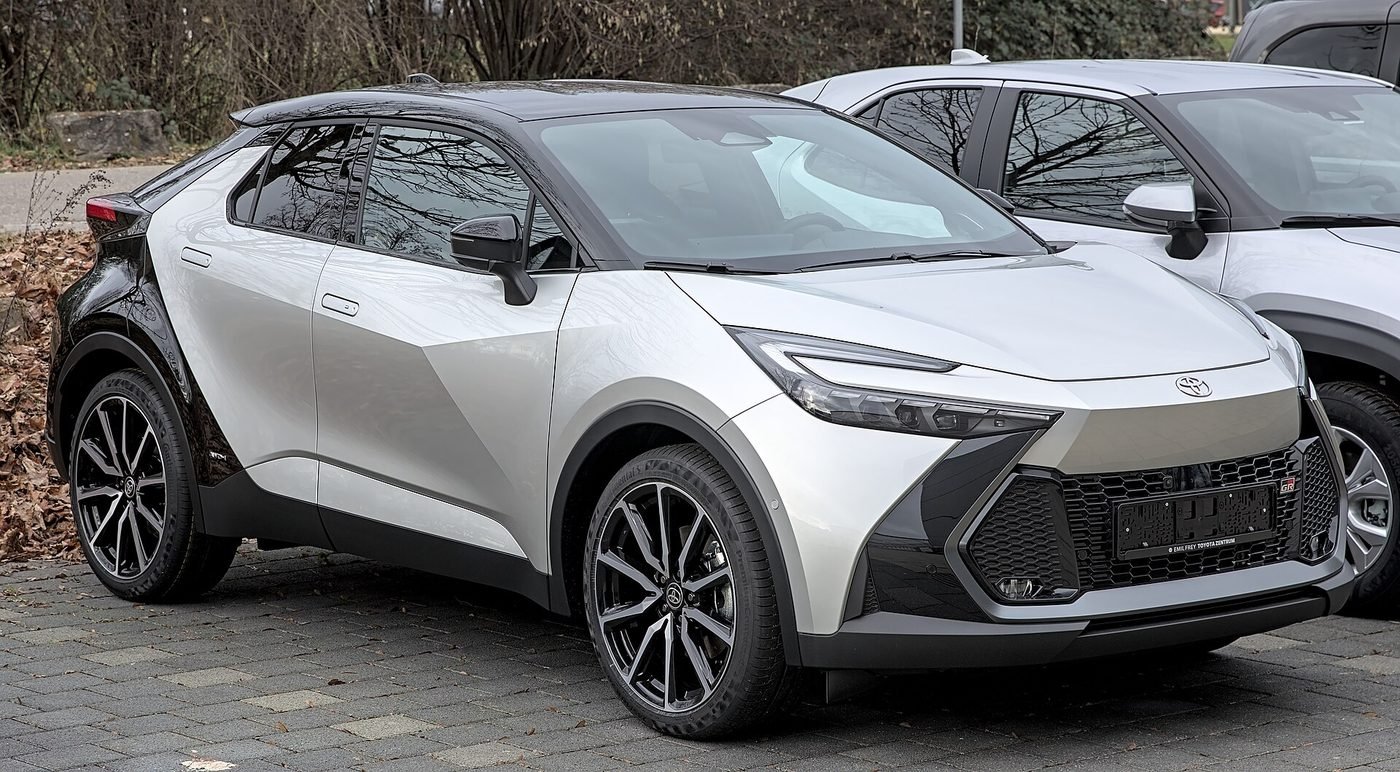
Toyota C-HR 2024
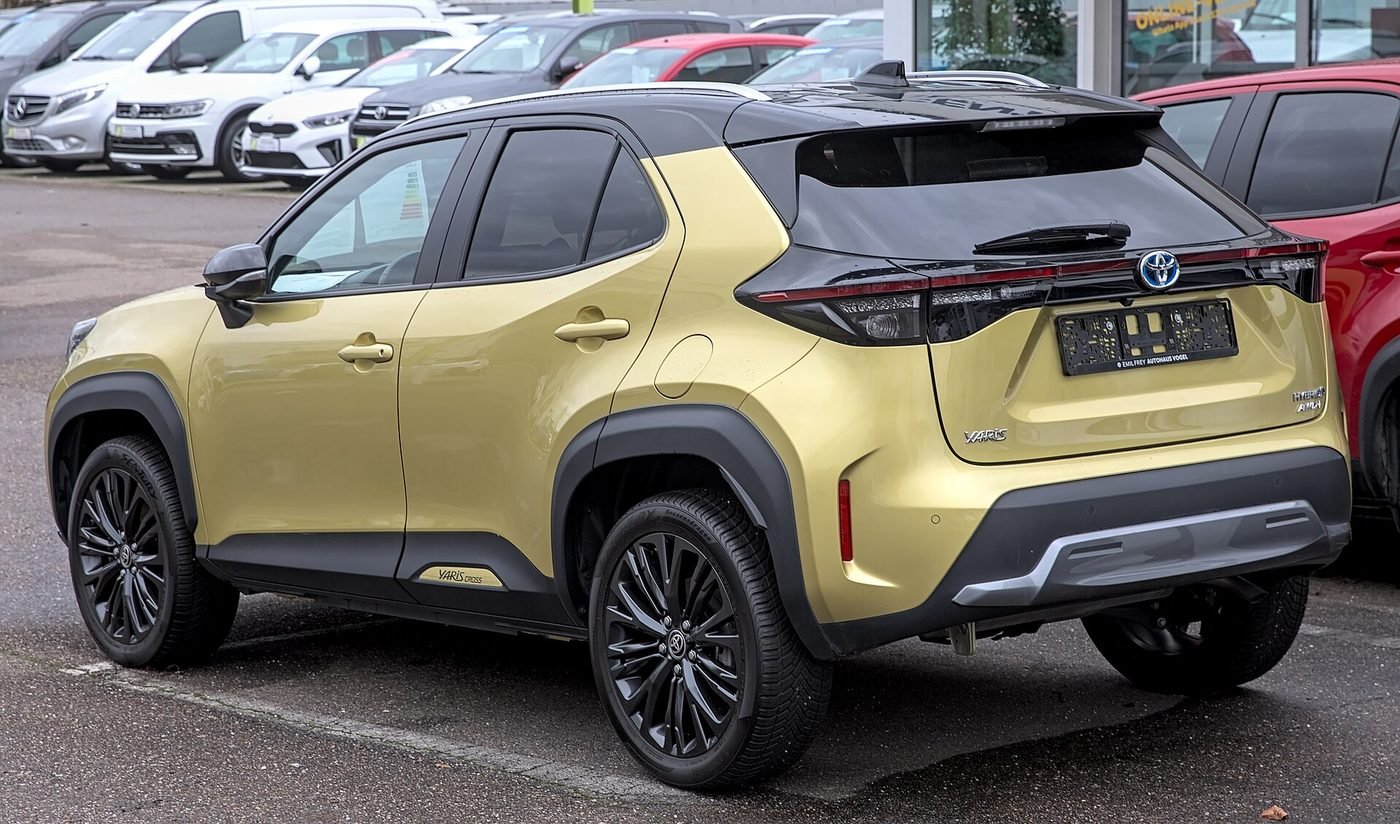
Toyota Yaris Cross 2024

Toyota Yaris 2024
