GAP Insurance UK: Is It Worth It in 2026?
What GAP insurance actually does
Your normal car insurance pays market value when a car is stolen or written off: what the car is worth on the day of the loss, not what you paid for it, and new cars lose value fastest in their first year. GAP insurance pays the shortfall between that settlement and something bigger — the price you paid, the cost of a replacement, or the finance you still owe, depending on the policy. It only pays out on a total loss. It is not a repair policy, and it does not replace comprehensive insurance; you need that claim settled first before GAP pays a penny.
Say you buy a car for £28,000 on finance. Eighteen months later it is stolen, and your insurer values it at £19,500. Without GAP, you have £19,500 and whatever finance remains to clear — which, early in a deal, can easily be more than that. With Return to Invoice GAP, the payout is topped back up to the £28,000 you originally paid: an £8,500 difference.
The three types, and which one fits
Return to Invoice (RTI) is the commonest type. It bridges the gap between the insurer's market-value payout and the original invoice price you paid. It suits buyers who want their money back, not just a cleared loan.
Vehicle Replacement (VRI) goes further. It bridges the gap up to the cost of buying the same car new again at the time of the claim, even if prices have risen since you bought yours. MoneyHelper's example makes the distinction plain: a £20,000 car written off a year later, valued at £15,000, with a new equivalent now costing £22,000. RTI would return you to £20,000; VRI covers the full £7,000 difference to £22,000. VRI costs more, but for a car whose replacement price is climbing it is the stronger cover.
Contract Hire GAP is for leased cars, where there is no purchase price to return to. If the car is written off, the insurer pays market value but you still owe the remaining rentals; this cover pays that difference.
What it costs, and why the dealer's quote is usually the dearest
Expect roughly £100 to £400 for a typical policy, depending on cover type, car value and term. Recent broker averages put Return to Invoice at about £232, Vehicle Replacement at about £290 and lease cover at about £297. Dealer-sold policies are usually dearer: the dealer adds its margin, and dealer-sold GAP carries Insurance Premium Tax at 20% rather than the standard 12% through an independent broker.
The other dealer trap is rolling the premium into your finance. A £400 policy folded into a PCP deal accrues interest for the whole term, so you pay considerably more than £400 for it. If you want GAP, buy it standalone, pay it outright, and compare at least two specialist quotes against the dealer's. You do not have to decide on the day: most specialists will sell you cover after purchase. A seller who insists you must decide now is selling urgency, not insurance.
When it is worth it, and when it is not
GAP earns its money when the gap itself is big: a new or nearly new car bought with a small deposit on PCP or HP, where the finance balance stays above the car's value for the first couple of years. Run the numbers on your own deal with our PCP calculator https://drivepedia.site/tools/pcp and our PCP vs HP guide https://drivepedia.site/guide/pcp-vs-hp-car-finance-uk-which-is-right-for-you before deciding. It also makes sense on a lease, where you have no equity at all, and on fast-depreciating models.
It is much harder to justify on a car you own outright that is already a few years old: the market value and what you paid have largely converged, the policy will be restricted by age and mileage anyway, and the premium buys less and less protection. It is also poor value if you could comfortably absorb the shortfall from savings.
The small print that actually matters
Check four things before buying. First, the claim window: most policies only pay if the total loss happens within the policy term, and some cap the total payout. Second, negative equity: many policies exclude finance carried over from a previous car. Third, the vehicle limits: age and mileage caps mean older, higher-mileage cars may not qualify. Fourth, modifications and use: undeclared modifications or business use can void a claim.
The cars where buyers most often face this decision are the high-volume financed models — a Vauxhall Corsa https://drivepedia.site/car/vauxhall-corsa-2024, a Nissan Qashqai https://drivepedia.site/car/nissan-qashqai-2024, a BMW 3 Series https://drivepedia.site/car/bmw-3-series-2024. If that is your deal, price GAP instead of waving it away or signing blindly. My contestable take: GAP is a good product sold badly. Bought online, standalone, after comparing two quotes, it is sensible protection; bought at the desk, rolled into finance, under pressure, it is the most expensive way to buy peace of mind.
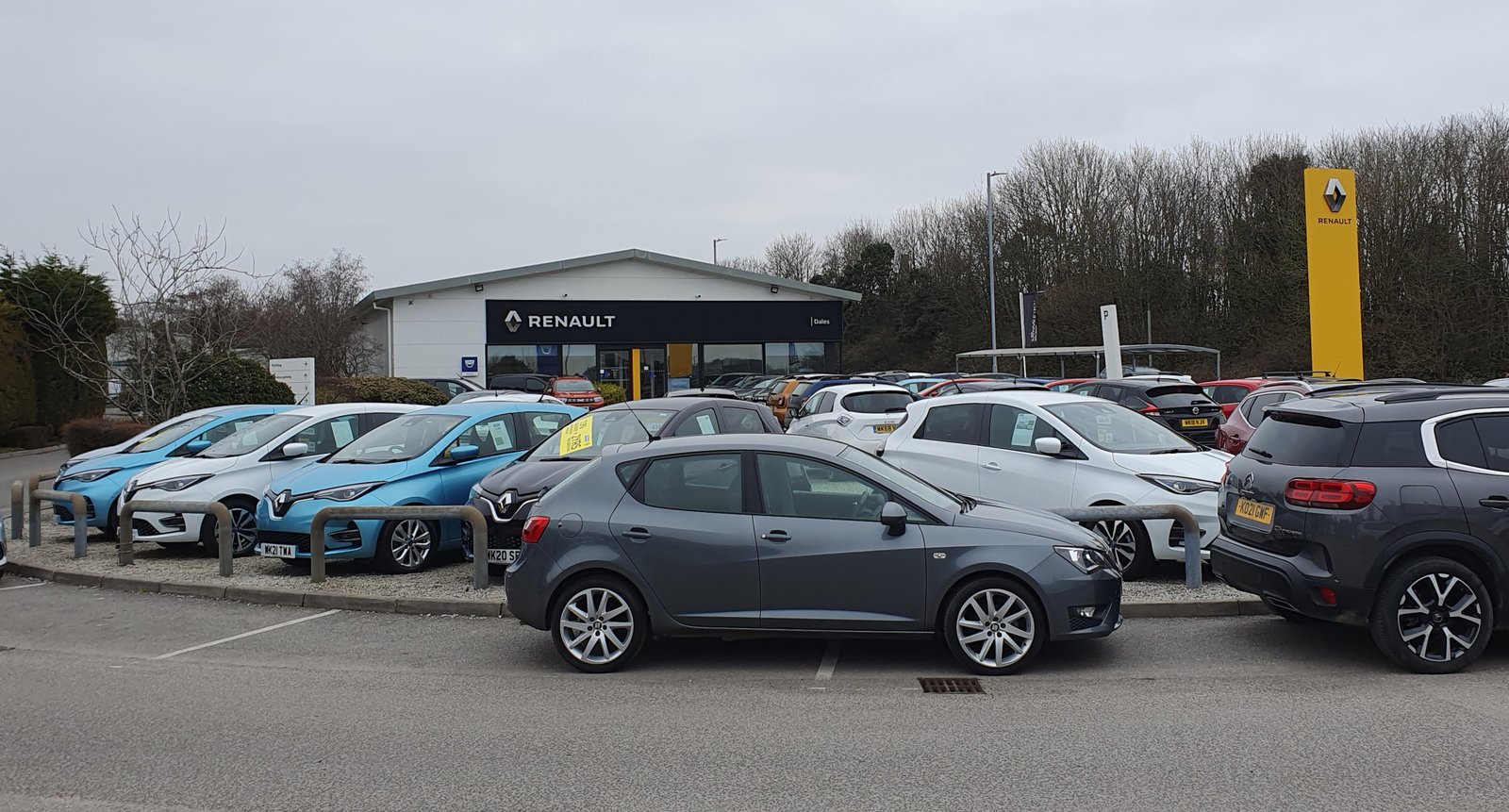
Photo credit: UK car dealership forecourt. Photo: Mutney, CC BY-SA 4.0, via Wikimedia Commons.
Frequently asked questions
Do I need GAP insurance if I own my car outright?
Usually not. With no finance to clear, the only gap is between market value and what you paid — and on an older car that gap is small. GAP makes most sense when a finance balance or lease rentals would survive the car itself.
Can I buy GAP insurance after I have bought the car?
Yes, in most cases. Specialist brokers sell cover after purchase, so you do not have to decide at the dealer's desk. Buy it sooner rather than later, though: the gap is biggest early on, and age and mileage limits narrow your options over time.
Does GAP insurance replace my car insurance?
No. You still need comprehensive motor insurance, and GAP only pays after your insurer settles the total-loss claim at market value. GAP tops that settlement up; it never pays first or on its own.
Is dealer GAP insurance worse than buying online?
Not necessarily worse cover, but usually dearer: dealer policies carry 20% Insurance Premium Tax against 12% through an independent broker, plus the dealer's margin, and the premium is often rolled into finance where it accrues interest. Compare a specialist quote before accepting the dealer's.
Does GAP cover the finance shortfall only?
It depends on the type. Finance GAP and Contract Hire GAP are designed around what you still owe. Return to Invoice returns you to the price you paid, and Vehicle Replacement goes further, to the cost of a new equivalent — which can leave you with money beyond clearing the finance.