Plug-in Hybrids in the UK: Worth It or a Waste?
Plug-in hybrids promise the best of both worlds: silent electric miles for the commute and a petrol engine for long journeys. For some drivers it is genuinely the cheapest way to run a car. For others, the most expensive mistake on the forecourt. The difference is not the car. It is whether you will actually plug it in.
How a plug-in hybrid differs from a regular hybrid
A self-charging hybrid, like the Toyota system in the Kia Niro https://drivepedia.site/car/kia-niro-2024 , charges its small battery from the engine and braking. You never plug it in, and it manages a mile or two on electricity at most.
A plug-in hybrid (PHEV) carries a much bigger battery — typically 30 to 60 miles of electric driving — plus a charging port. Charge it overnight and the commute is electric; the petrol engine only wakes for longer trips. Everything good about a PHEV flows from a full battery, and everything bad from an empty one.
The golden rule: charge it, or do not buy it
A plug-in hybrid that is never charged is simply a heavy, thirsty petrol car. You lug a big battery and motor along for none of the benefit, and real-world economy is often worse than the pure-petrol equivalent.
The maths needs home charging. A 7kW wallbox refills a typical PHEV overnight for a few pounds. Rely on public chargers — three or four times the home rate — and the case weakens fast. No driveway and no workplace charging? Buy a full hybrid or an efficient petrol instead. Our EV home charging guide https://drivepedia.site/guide/ev-home-charging-uk-costs-grants-setup covers setup costs and grants.
Running costs: the honest maths
Charged nightly, a PHEV does the daily commute on electricity and sips petrol only at weekends — a fraction of the petrol cost at home electricity rates. Never charged, the same car does every mile on petrol while dragging its battery along: low-40s mpg at best from a family-size PHEV. The gap is hundreds of pounds a year, every year.
Do the five-year sums first. The True Cost Calculator https://drivepedia.site/tools/true-cost compares fuel, tax, insurance and depreciation — run the PHEV against its petrol and full-hybrid siblings before choosing.
Tax: where plug-in hybrids still win
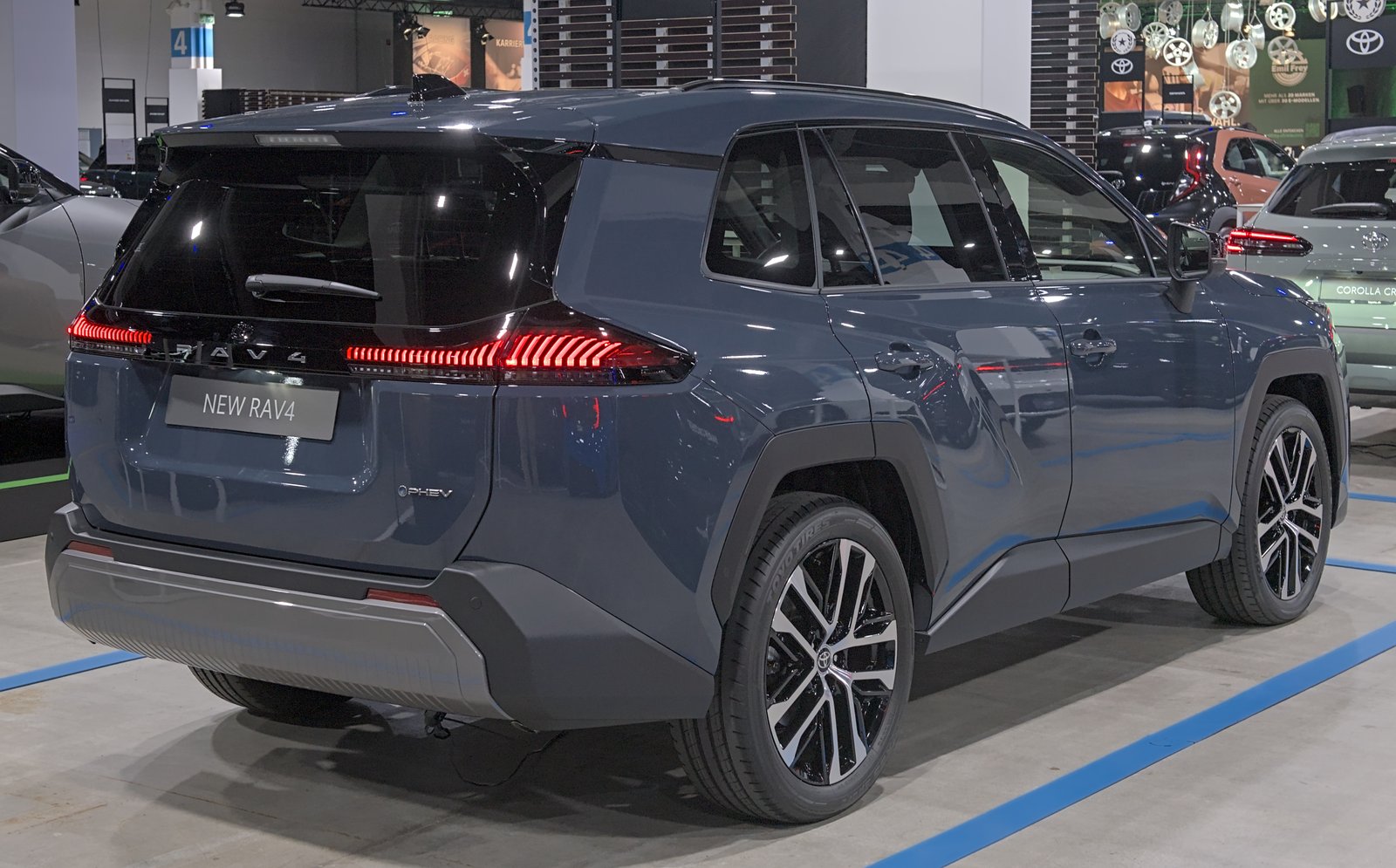
For company-car drivers, PHEVs remain a smart tax choice — for now. Benefit-in-kind rates for 2026/27 are set by electric range: 4% for 130+ miles, then 7%, 10%, 14%, up to 16% for under 30 miles. Against 24% to 37% for an equivalent petrol car, the monthly saving is enormous. A long-range plug-in such as the Toyota RAV4 plug-in https://drivepedia.site/car/toyota-rav4-2024 or the MG HS plug-in hybrid https://drivepedia.site/car/mg-hs-2024 can cost a higher-rate taxpayer less in company-car tax than a far cheaper petrol car.
But the advantage is narrowing: from April 2028 every PHEV moves to a flat 18% BIK rate. Judge the car over your full ownership, not just year one. Private buyers get a smaller perk: the cheapest first-year VED bands (from £10), then the £200 standard annual rate.
Buying used: check the battery
Used PHEVs can be superb value, but a degraded battery means less electric range — which defeats the point of the car. Ask for a battery health check and confirm real electric range on the test drive. You also maintain two powertrains, so insist on a full service history from a dealer who understands hybrids.
Who should buy one — and who should not
Buy if: you can charge at home or work; most journeys fit the electric range; you are a company-car driver capturing the BIK saving; or you do long trips that would make a pure EV awkward.
Do not buy if: you have nowhere to charge; your mileage is mostly long motorway runs, where diesel or a full hybrid wins; or you will never plug in — then you are paying for weight you will never use.
Final word: a plug-in hybrid is a deal — cheap electric miles for the small daily discipline of plugging in. Honour it and it is brilliant. Break it, and it is the worst of both worlds.
FREQUENTLY ASKED QUESTIONS
How far can a plug-in hybrid go on electricity?
Most manage 30 to 60 real-world miles — enough for the average UK commute. Expect a little less in winter.
Is a plug-in hybrid cheaper to run than petrol?
Only if charged regularly. A charged PHEV is far cheaper per mile; a never-charged one is thirstier than the petrol equivalent.
Are plug-in hybrids good company cars in 2026/27?
Yes — 4% to 16% BIK by electric range, far below petrol. Note the flat 18% rate from April 2028.
Do they need servicing like normal cars?
Yes — the petrol engine needs its usual oil and filter services alongside the electrical side.
Should I buy a used plug-in hybrid?
Good value, but verify battery health first: a tired battery kills the range that justifies the car.