Young Driver Car Insurance UK: How to Pay Less
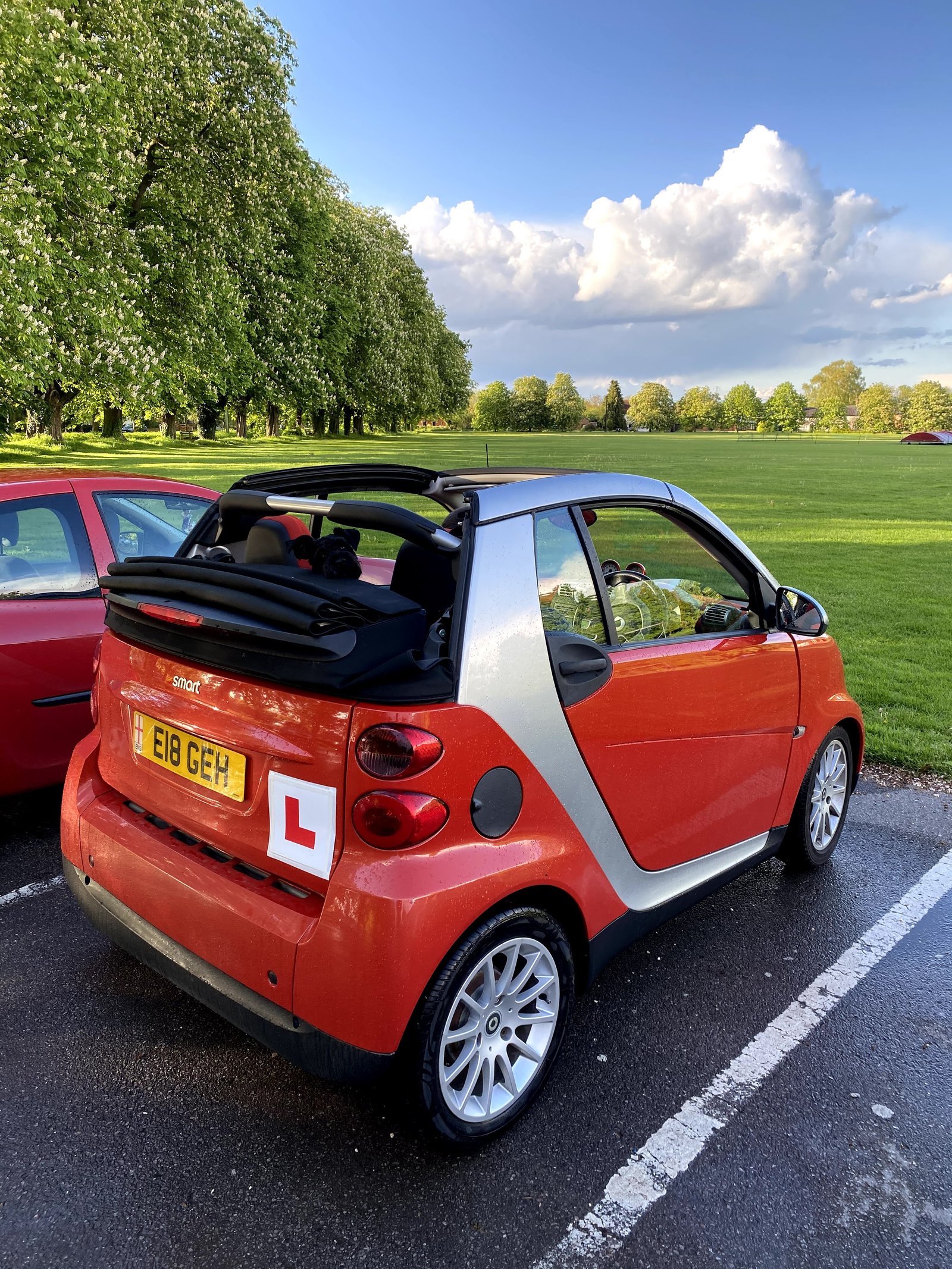
Start with why the quote is so high — it explains every saving that follows. Drivers aged 17 to 24 are involved in a disproportionate share of serious accidents for how many hold licences, so insurers load premiums heavily. You also start with no no-claims discount, worth up to 60 percent off after five or more claim-free years — a discount experienced drivers take for granted that simply does not exist yet. The first two years carry a legal sting too: under the Road Traffic (New Drivers) Act 1995, six or more penalty points within two years of passing means your licence is revoked and you retake both tests. A clean record is worth real money from year two onwards.
The single biggest lever is a black box. A telematics policy fits a small device to the car, or uses a phone app, and scores how you actually drive: speed, braking, cornering and time of day. Confused.com's data says 78 percent of drivers aged 17 to 20 get cheaper cover with a black box than without one, saving £379 a year on average — for many families, the difference between insuring a car and not insuring it at all. Know the trade-offs before you sign: many policies penalise driving between roughly 11pm and 5am, and the box scores hard braking and late-night miles whether or not they were your fault. It is not a guaranteed win — research firm Consumer Intelligence found black box quotes cheaper than standard ones only 42 percent of the time in late 2025, saving £228 on average where they were cheaper. Always get quotes both ways and compare the actual numbers, not the marketing.
The car you choose matters at least as much as the policy. Insurers sort every car into one of 50 insurance groups, and the cheapest sit in groups 1 to 10: small engines, modest power, cheap parts, no modifications. A 1.0-litre supermini can cost hundreds less a year to insure than a hot hatch with the same badge, for the same driver at the same address. That is why the classic first cars are classics: the Volkswagen Polo https://drivepedia.site/car/volkswagen-polo-2024, the Ford Fiesta https://drivepedia.site/car/ford-fiesta-2016 and the Vauxhall Corsa https://drivepedia.site/car/vauxhall-corsa-2016 all sit in low groups, far cheaper to insure than anything with a turbo badge or a body kit. Check the group before you buy, not after — our guide to insurance groups https://drivepedia.site/guide/uk-car-insurance-groups-explained explains why a group 4 car can be half the price of a group 20 one. And never modify a first car: a remap, lowered suspension or even aftermarket alloys can push the premium up or void the policy entirely if undeclared.
The named-driver trick is real, but only done honestly. Adding an experienced driver — a parent who genuinely uses the car occasionally — as a named driver can bring the premium down, because it changes the risk profile. What you must never do is the reverse: putting a parent down as the main driver when you drive it every day. That is called fronting, and it is insurance fraud. If the insurer finds out, the policy is void, claims are refused and you can face prosecution — and a fraud marker makes every future quote far more expensive. It is the single most expensive shortcut in young-driver insurance.
Then come the smaller levers, which stack up. Pay annually instead of monthly if you can: monthly payments carry interest, effectively an APR on your own premium. Raise your voluntary excess — but only to an amount you could actually pay the morning after a crash. Be accurate about mileage: a lower estimate lowers the premium, but underestimating it can void a claim. Park off the street where you can — a driveway or garage beats on-street parking in most postcodes. Take Pass Plus after your test if your insurer recognises it; not all do, so ask first. And never let a policy auto-renew without comparing quotes: the renewal price is rarely the cheapest, and the comparison takes twenty minutes. Run the numbers through our True Cost Calculator https://drivepedia.site/tools/true-cost, which includes insurance in each car's five-year cost, so you can see whether the cheap car with the dear policy is actually cheap at all.
The plan, then, is simple. Pick a low-group car, get black box and standard quotes side by side, add a parent as a named driver only if they genuinely drive the car, pay annually, and guard your no-claims discount like the asset it is — in five claim-free years it is worth more than any discount you will ever be offered. The first year's quote will still sting. The second year's does not have to.
Q: How much is car insurance for a 17-year-old in the UK?
A: £1,755 a year on average for comprehensive cover, according to Confused.com's July–September 2026 price index. The 17–20 band averages £1,860 and 18-year-olds pay £2,083. The figure falls every year you stay claim-free, as your no-claims discount builds.
Q: Does black box insurance actually save young drivers money?
A: Usually, but not always. Confused.com's data says 78 percent of drivers aged 17 to 20 pay less with a black box, saving £379 a year on average. But research firm Consumer Intelligence found black box quotes cheaper only 42 percent of the time in late 2025, so always get quotes with and without telematics and compare the real numbers.
Q: Can I put my mum or dad down as the main driver to make it cheaper?
A: No. That is fronting — insurance fraud. If the insurer finds out, the policy is void, claims are refused and you can face prosecution. Adding a parent as a named driver is legal and can cut the premium, but only if they genuinely use the car occasionally.
Q: What is the cheapest car to insure for a young driver?
A: A small car in insurance groups 1 to 10: a Volkswagen Polo, Ford Fiesta, Vauxhall Corsa, Toyota Yaris or Dacia Sandero with a small engine and no modifications. Check the insurance group before you buy — a group 4 car can cost half as much to insure as a group 20 car for the same driver.
Q: Does a black box policy have a curfew?
A: Many do. Several telematics policies penalise driving between roughly 11pm and 5am, and some score late-night miles against you even when the driving itself is safe. Read the policy terms before you sign, especially if you work nights or drive home late.
Photo: TudorTulok, Wikimedia Commons (CC0)