ZEV Mandate: UK 'Expected to Cut' 2030 EV Target to 60%
The rule it would change is the Zero Emission Vehicle (ZEV) mandate, introduced in 2024, which forces carmakers to sell a rising share of electric cars: 33 per cent of new car sales in 2026, climbing to 80 per cent by 2030 and 100 per cent by 2035, when every new car and van must be zero emission. New petrol and diesel-only cars are due to stop being sold in 2030, with hybrids following in 2035. Makers who fall short face fines or must buy credits from rivals who beat the target. The government launched a consultation on the mandate in August, and it concluded only a fortnight ago.
The reason for the rethink is in the sales figures. Battery-electric cars made up 26.6 per cent of new car sales in the first ten months of 2026, according to the SMMT — well short of this year's 33 per cent target. The SMMT expects the full-year figure to reach only 27.2 per cent, and the gap is forecast to widen as the required share jumps to 52 per cent in 2027. Carmakers have been discounting electric models heavily to move them. The SMMT has previously called the current mandate a "fantasy", and its chief, Mike Hawes, wants the review to deliver "substantive reform effective immediately".
The demand side tells a different story, though. More than 500,000 electric cars were sold from January to November, a 30 per cent rise on the same period a year earlier, and roughly a third of the cars sold in October were electric. The problem is not that nobody wants an EV — it is that the mandate's staircase rises faster than the market is climbing it.
Ministers are split: business secretary Jonathan Reynolds wants the deepest cut, transport secretary Heidi Alexander has argued for 60 per cent, and energy secretary Ed Miliband is pushing to keep the 80 per cent target. Haigh is due to settle the dispute at Wednesday's meeting. The Prime Minister has stepped back because his wife, Marie-France van Heel, advises the board of Manchester charging firm Be.EV. The timing is awkward: Mr Burnham is preparing to attend the Cop 31 climate summit, which begins on Monday in Antalya, and green campaigners have already criticised the potential move. Catherine Fookes, the MP for Monmouthshire, told the Guardian the mandate must stay; the Labour Climate and Environment Forum said weakening it "will do little to help"; and Green MP Sian Berry called for scrappage schemes and cheaper public charging instead.
Downing Street insists nothing has changed yet. The Prime Minister's official spokesman said the government is "fully behind the zero emission vehicle mandate" and that the commitments stand: phasing out new petrol and diesel-only cars by 2030, every new car and van zero emission by 2035, and the legally binding net zero targets. The consultation, the spokesman said, is about "getting the details right, so the switch works for drivers, for carmakers and for the hundreds of thousands of workers whose jobs depend on it". One figure shows why the final numbers will matter well beyond showroom floors: the mandate was expected to deliver about 14 per cent of the government's targeted CO2 cuts between 2028 and 2032.
So what does this mean if you are buying a car? Honestly, nothing changes until a decision is actually announced — and right now there is not one. The Electric Car Grant, worth up to £3,750 on qualifying new EVs, is untouched by this row, and the 2030 and 2035 deadlines stand. Our guide to the grant https://drivepedia.site/guide/electric-car-grant-uk-which-cars-qualify-2026 sets out which cars qualify. If the target is cut, the likeliest effect is subtler: with less pressure to hit a fixed percentage, carmakers may not need to discount EVs so aggressively, which could slow the fall in new EV prices. The new pay-per-mile eVED charge for EVs still arrives on 1 April 2028, as set out in the Autumn Budget https://drivepedia.site/news/autumn-budget-2026-what-it-means-for-uk-drivers, so the cost of running an EV is changing regardless.
My honest take: do not let this story move your buying decision. Judge the car and the deal in front of you — the grant, the real-world range, the charging you can use — not a percentage ministers are still arguing over. The direction of travel is set, and the cheap end of the EV market is moving fast, from the Renault 5 https://drivepedia.site/car/renault-5-e-tech-2025 to the Nissan Micra https://drivepedia.site/car/nissan-micra-2025. If the mandate is watered down, new EV prices may fall more slowly; if it is kept, the discounts keep coming. Either way, a good used EV bought after a proper battery check https://drivepedia.site/guide/used-electric-car-battery-health-guide-uk is one of the smartest buys on the market. We will update this story the moment a decision is announced.
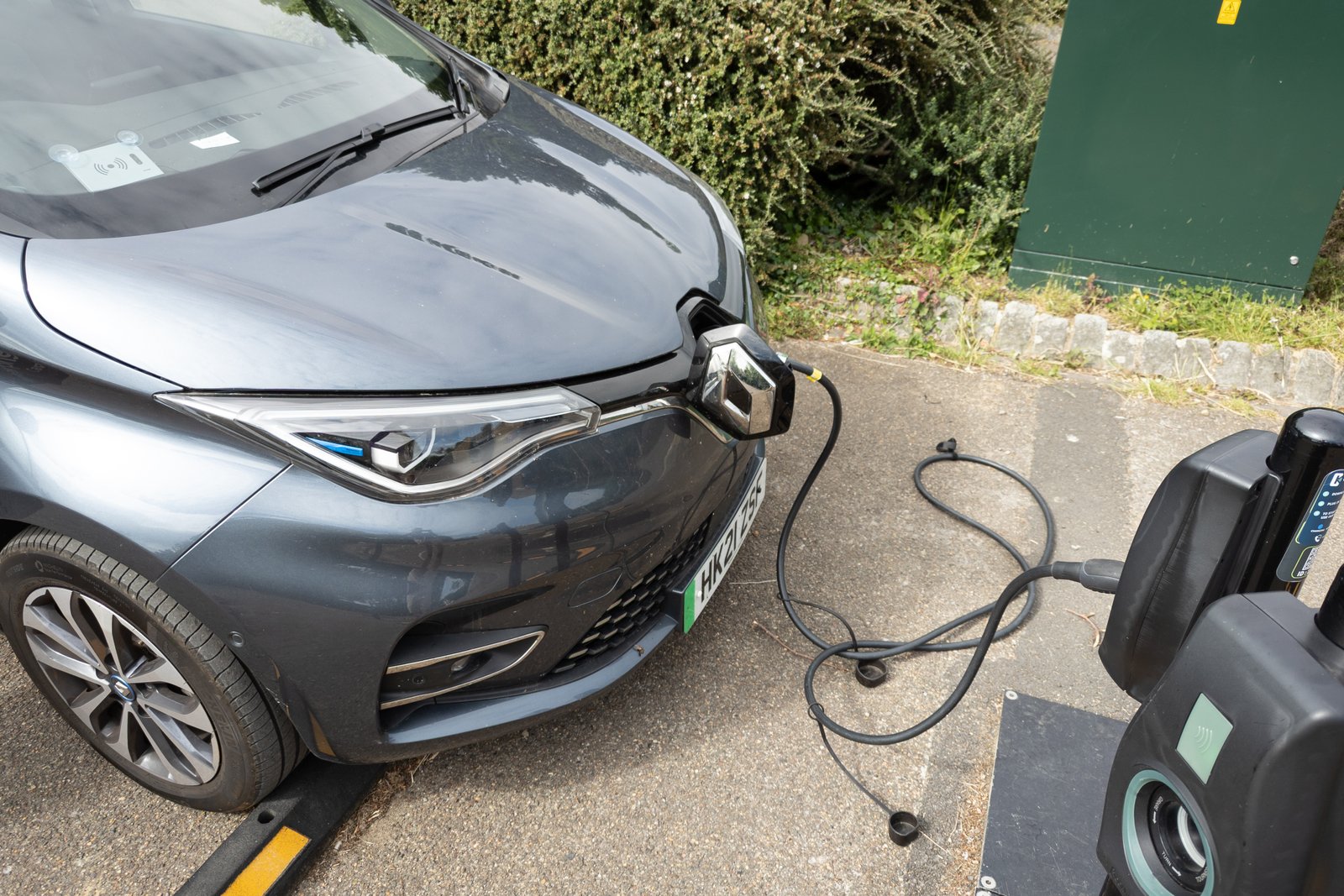
Image: Renault Zoe charging in Helmsley, North Yorkshire — Tom Page, CC BY-SA 2.0, via Wikimedia Commons.
Frequently asked questions
Q: What is the ZEV mandate?
A: The Zero Emission Vehicle mandate, introduced in 2024, requires carmakers to sell a rising share of zero-emission cars: 33 per cent of new car sales in 2026, 80 per cent by 2030 and 100 per cent by 2035. Makers who miss the target face fines or must buy credits from rivals.
Q: What would cutting the 2030 target to 60 per cent actually change?
A: Carmakers would face less pressure to hit the 80 per cent figure, so they may discount EVs less aggressively and face smaller fines. The 2030 ban on new petrol and diesel-only cars and the 2035 zero-emission deadline have been restated as unchanged.
Q: Has the government decided yet?
A: No. The Prime Minister said on 9 November that reports of a cut are speculation and "no decision has been made". Louise Haigh is expected to settle the issue at a Downing Street meeting on Wednesday, 11 November.
Q: Will EV prices go up if the target is cut?
A: Not directly — there is no price rise built into the mandate. But with less pressure to hit a sales percentage, carmakers may not need to discount EVs as heavily, which could slow the fall in new EV prices. The Electric Car Grant of up to £3,750 is unaffected.
Q: Does this change the 2030 petrol and diesel ban?
A: No, not as things stand. Downing Street has restated that new petrol and diesel-only cars will stop being sold in 2030 and every new car and van will be zero emission by 2035. The consultation is about the sales-percentage targets in between.
Sources: The Guardian, via ET Auto (9 Nov 2026): UK government expected to cut 2030 EV sales target to 60% — https://auto.economictimes.indiatimes.com/news/industry/uk-government-expected-to-cut-2030-ev-sales-target-to-60/135670434 ; CarInsider (9 Nov 2026): UK poised to water down its electric car sales mandate — https://www.carinsider.world/article/uk-poised-to-water-down-its-electric-car-sales-mandate ; BritBrief (9 Nov 2026): Andy Burnham addresses reports on EV target cuts — https://britbrief.co.uk/politics/policymaking/burnham-addresses-reports-on-ev-target-cuts.html ; TalkFuse / Daily Mail (9 Nov 2026): Ministers weigh easing electric car sales targets ahead of climate summit — https://talkfuse.com/story/burnhams-mixed-signals-on-net-zero-ministers-finally-poised-to-cut-ev-targets-as-pm-heads-for-climate-summit/